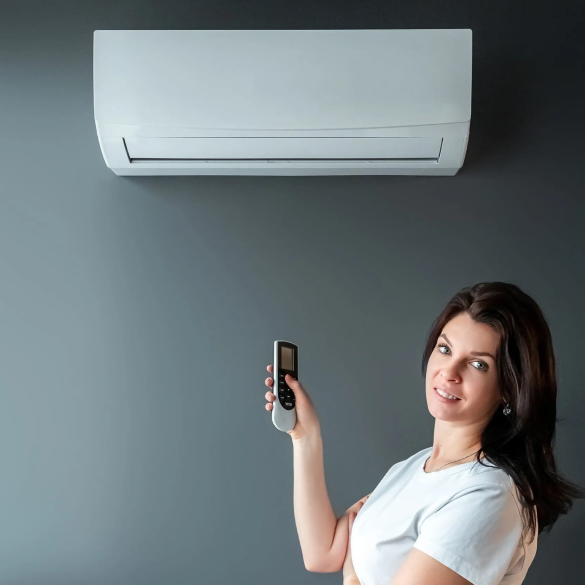
TRNC's modern living spaces increasingly feature open-plan kitchen and living room designs, offering both a sense of spaciousness and enhanced social interaction. However, this aesthetic and functional unity presents unique challenges for air conditioning systems. The significant heat load and steam generated from cooking activities in the kitchen zone are starkly different from the ideal temperature and humidity balance required for relaxation areas in the living room. As the long, scorching summer season of Cyprus rapidly approaches, meticulous pre-summer maintenance and dynamic optimization of existing AC zoning systems become absolutely crucial to ensure uninterrupted comfort and peak energy efficiency throughout these integrated spaces. It's not enough to simply focus on overall cooling capacity; truly understanding the specific needs of each distinct zone and fine-tuning your system accordingly will not only prevent hidden energy losses but also foster a healthier and more pleasant indoor environment. In this comprehensive guide, drawing upon Karso Klima's extensive expertise, we will thoroughly explore the essential practices for pre-summer AC maintenance and zoning optimization, along with effective strategies for managing excessive heat load and humidity control in your open-plan kitchen-living areas.
The Impact of Summer Heat on Air Conditioning in Open-Plan Areas
TRNC summers are renowned for their intensity, marking the period when air conditioning systems operate under their most demanding conditions. Open-plan designs further complicate this load. The kitchen area, equipped with ovens, stovetops, dishwashers, and other cooking appliances, continuously generates substantial heat and humidity. This heat readily dissipates into the living room, often causing thermostats to constantly demand lower temperatures than necessary. Simultaneously, large windows and terrace connections, common in modern designs, often expose these expansive areas to direct sunlight, contributing an additional solar heat gain. These fluctuating and diverse heat sources can severely disrupt the balance of air conditioning systems, rendering traditional single-zone AC units largely ineffective. This is precisely why zoning solutions are paramount in open-plan spaces, allowing each distinct area to be managed independently according to its unique climate control requirements. However, even these sophisticated systems, if not subjected to specialized pre-summer inspection and optimization, can lead to unexpectedly high energy bills and a significant compromise in comfort during the peak summer months.
Pre-Summer Inspection and Adjustment of Existing AC Zoning Systems
If your open-plan property features an installed zoning system, it is absolutely essential to verify that every component of this system is functioning correctly before the summer heat truly sets in. Zoning is, in essence, an engineering marvel designed to allow different areas (zones) to be air-conditioned either independently or in harmonious coordination. However, this intricate structure inherently demands regular inspection, precise adjustments, and ongoing fine-tuning to perform at its best.
Sensor and Thermostat Calibration: Accurate Temperature Measurement
Each zone within your system typically has its own temperature sensor and thermostat. Ensuring these sensors operate accurately is of critical importance during the summer months. Over time, factors such as dust accumulation, dirt buildup, or even minor impacts can compromise sensor calibration. A sensor that provides inaccurate readings will either lead to unnecessary overcooling or insufficient cooling in that particular zone, resulting in both discomfort and significant energy waste. Karso Klima's expert technicians meticulously check the sensitivity of these sensors and recalibrate them as needed, ensuring your system accurately perceives and responds to the real-time climate demands of each area.
Controlling and Adjusting Airflow Distribution
At the very heart of any zoning system are the vents, diffusers, and motorized dampers responsible for directing and distributing airflow. During pre-summer maintenance, it is crucial to inspect these components to ensure they are not physically obstructed (by furniture, curtains, etc.) and are operating at the correct angles and settings. For instance, a high heat load area like the kitchen typically requires a stronger and more directed airflow, whereas the living room often benefits from a more uniform and diffused air distribution. Our specialists meticulously examine mechanical dampers for any signs of sticking or malfunction, and for automated zoning systems, they verify that airflow priorities are correctly configured for typical summer scenarios. These precise adjustments guarantee optimal comfort in each zone while simultaneously minimizing unwanted heat and humidity transfer between rooms.
Detailed Maintenance Strategies to Prevent Hidden Energy Losses
During the extended summer months in Cyprus, the continuous operation of air conditioners in open-plan homes places immense strain on the system. Neglecting maintenance under these conditions can lead to substantial, often hidden, energy losses. Professional pre-summer maintenance is the most effective method for identifying and neutralizing these stealthy energy thieves.
Filter Cleaning and Replacement: The Difference of Kitchen Grease Buildup
AC filters are designed to capture dust, pollen, and other airborne particles, thereby maintaining indoor air quality and ensuring efficient system operation. In open-plan kitchen-living rooms, cooking vapors and grease particles originating from the kitchen can adhere to filters much more rapidly and stubbornly than in standard home environments. Greasy buildup severely restricts airflow through the filters, causing the air conditioner to consume more energy to achieve the desired temperature and significantly reducing its cooling capacity. During pre-summer maintenance, it is paramount that filters are not merely dusted, but thoroughly cleaned of grease and grime, or replaced if necessary. This essential step guarantees that your system can "breathe" freely and operate at its maximum efficiency.
Drain Line Inspection and Clog Prevention
During the cooling process, air conditioners generate condensation (moisture) which is expelled via the drain line. In TRNC's highly humid climate, the amount of condensation produced can be substantial. A blockage in the drain line can cause water to back up into the indoor unit, leading to leaks, potential damage to electrical components, and even structural issues. In the worst-case scenario, stagnant water accumulation creates an ideal breeding ground for mold and bacteria, resulting in unpleasant odors from the AC unit and an unhealthy indoor air quality. Pre-summer maintenance includes flushing the drain line with pressurized water and checking its slope, preventing such problems and ensuring continuous, healthy operation throughout the summer.
Outdoor Unit Cleaning and the Impact of its Location on Summer Performance
Air conditioner outdoor units perform the critical function of releasing heat to the outside, thus facilitating the cooling process indoors. Especially in coastal regions like Girne, outdoor units are constantly exposed to corrosive salty air, dust, and sand. These contaminants can become trapped within the outdoor coil fins, obstructing heat transfer and forcing the unit to consume more energy while delivering less cooling efficiency. Furthermore, direct exposure of the outdoor unit to intense sunlight or insufficient surrounding airflow can significantly impair its performance. Professional cleaning of the outdoor unit and the removal of any nearby obstructions during pre-summer maintenance are absolutely essential for ensuring maximum airflow and optimal heat transfer. Karso Klima, with its coastal climate-specific maintenance strategies, helps prevent premature wear and tear on your outdoor units.
Humidity Control and Healthy Indoor Air Quality Management in Open-Plan Areas
TRNC's humid summer climate makes not just temperature control, but also humidity control, critically important in open-plan kitchen-living rooms. High humidity levels can have adverse effects on human health, in addition to potentially causing damage to furniture and the building structure itself.
The Importance of AC Dehumidification Capacity
While cooling the air, air conditioners simultaneously remove moisture. However, not all AC units have the same dehumidification capacity. Especially in open-plan kitchen-living rooms, the indoor humidity level can rapidly increase due to the added moisture from kitchen activities. During pre-summer maintenance, it is crucial to evaluate your existing system's dehumidification performance and verify if it can maintain ideal humidity levels (typically between 40-60%). If your system proves inadequate, it may highlight the need for an assessment regarding the importance of correct AC selection and dehumidification capacity for your specific needs.
Preventing Mold, Bacteria, and Allergen Formation
High humidity, particularly in enclosed and poorly ventilated areas, creates a conducive environment for the formation of mold and bacteria. In the combined kitchen and living room space, food residues and moisture can lead to the rapid proliferation of such microorganisms. This, in turn, can result in unpleasant AC odors, allergic reactions, and respiratory issues. Regular filter cleaning, drain line hygiene, and disinfection of the indoor unit's coils minimize these risks. Some modern Rota and Sakura AC models offer additional protection against allergens and microbes through built-in air purification technologies and UV lamps.
Maximizing Summer Comfort with Smart Home Integration and Remote Control
With advancements in technology, our air conditioners have evolved beyond mere cooling devices. Smart home systems and remote control features now offer powerful tools to elevate summer comfort and energy efficiency to unprecedented levels in open-plan living spaces.
Optimizing Existing Smart Systems for Summer Scenarios
If your open-plan home incorporates smart thermostats or a central IoT integration, pre-summer maintenance should include reprogramming these systems for summer modes and scenarios tailored to your lifestyle. For instance, you can create scenarios to automatically boost cooling capacity in the kitchen zone during peak cooking hours, while allowing the living room to operate in a lower energy mode during quieter times. Integration with automatic blinds for windows that receive morning sun can alleviate the AC's struggle against solar heat gain, thereby saving energy.
Smart Solutions with Rota and Sakura
At Karso Klima, the Rota and Sakura air conditioners we offer stand out with their advanced smart control features. Remote access allows you to switch on your AC, adjust temperatures, and configure zone settings before you even arrive home. This provides immense comfort, especially during TRNC's scorching summers, and prevents unnecessary energy consumption. For periods of vacation or extended absence from home, smart modes enable you to program your ACs to operate with minimal energy consumption or to switch them off entirely. This not only ensures energy savings but can also prevent undesirable situations such as mold formation in your home. The Rota and Sakura models in our product portfolio are equipped with these cutting-edge smart solutions.
Frequently Asked Questions
Why is AC zoning maintenance different in open-plan kitchen-living rooms compared to standard maintenance?
In open-plan kitchen-living rooms, the high heat and humidity load originating from kitchen activities cause filters to get dirty faster (especially with grease buildup), drain lines to clog more frequently, and the overall system balance to be disrupted more easily than in other areas. This necessitates more specific inspection and cleaning compared to standard maintenance protocols.
Does pre-summer zoning optimization save energy?
Absolutely, yes. Properly calibrated sensors, optimized airflow distribution, and adjusting high heat load areas like the kitchen according to their specific needs prevent the air conditioner from working unnecessarily hard. This results in significant energy savings, reducing your electricity bills considerably.
How often should I seek professional support for zoning system maintenance?
Considering the challenging climate conditions of TRNC and the specific needs of open-plan kitchen-living rooms, it is recommended to have professional maintenance at least twice a year: once before summer and once before winter. This ensures your system operates efficiently, extends its lifespan, and prevents hidden malfunctions.
Conclusion
While open-plan kitchen-living rooms are a staple of modern living, they undeniably present significant challenges for air conditioning systems in TRNC's demanding summer climate. However, with the right pre-summer maintenance and dynamic zoning optimization strategies, it is entirely possible to overcome these challenges and achieve both continuous comfort and remarkable energy efficiency. Every step, from sensor and thermostat calibration to airflow control, filter hygiene, and drain line cleaning, ensures your system is optimally prepared for the summer months. As Karso Klima, with our expert team based in Girne, we offer professional maintenance and optimization services specifically tailored for your open-plan living spaces. Remember, a well-maintained air conditioner not only consumes less energy but also guarantees a healthier indoor environment and safeguards your long-term investment. Don't risk your summer comfort – contact us before summer arrives.