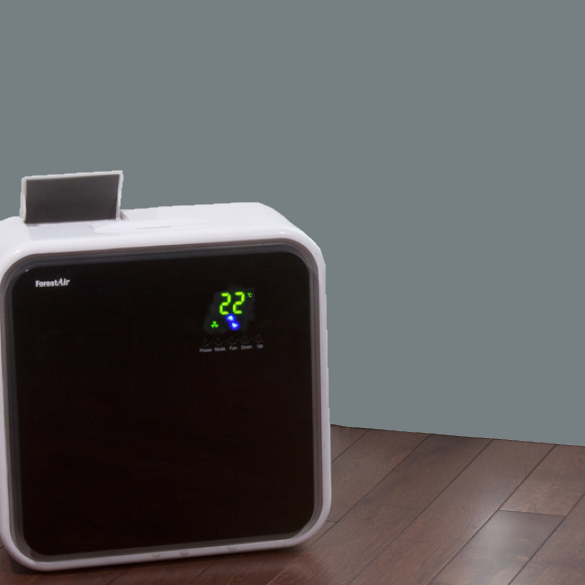
In the dynamic commercial landscape of TRNC (Turkish Republic of Northern Cyprus), numerous businesses, from hotels and restaurants to office buildings and shopping centers, rely on modern VRF (Variable Refrigerant Flow) systems for uninterrupted comfort and operational efficiency. These high-tech systems provide flexible and energy-efficient climate control by connecting multiple indoor units to a single outdoor unit. However, even the best systems can encounter an annoying problem: water leaks from indoor units or drainage lines. Particularly in the humid coastal climate of Girne and its surroundings, this situation can lead to serious aesthetic, hygienic, and structural issues, causing significant disruptions and financial losses for businesses. As Karso Klima, with our expertise based in Girne, we emphasize the importance of understanding the root causes behind water dripping from commercial VRF systems and providing permanent solutions. In this comprehensive guide, we will delve into why your VRF systems might be leaking water, how this can be prevented, and the distinct advantages offered by Rota air conditioning technologies for the specific climate conditions of Northern Cyprus.
Root Causes of Water Leakage in VRF Systems
Water leakage originating from VRF systems is often a complex problem with multiple potential root causes. Accurately diagnosing these underlying reasons is the first critical step toward implementing a lasting solution. The challenging climate conditions of TRNC can further exacerbate these issues, making proper identification even more essential.
Clogged Condensate Drain Line
One of the most common causes of water leakage is a clogged drain line, which is responsible for expelling the condensation water formed in the indoor units. Over time, these lines can accumulate a variety of debris, including dust, dirt, lint, biological growth such as algae and mold, and even small insects. This buildup obstructs the free flow of water, leading to a backup. Especially in TRNC's humid and warm climate, such organic accumulation can proliferate rapidly, creating blockages more frequently. As water accumulates, it overflows from the drain pan and begins to drip outside the indoor unit, potentially causing ceiling damage, electrical hazards, and an unpleasant environment. Even with high-quality Rota air conditioners, periodic drain line cleaning is vitally important to prevent blockages and ensure smooth operation. Neglecting this can lead to not only leaks but also unpleasant odors and mold growth within the system, compromising indoor air quality.
Improperly Sloped or Insufficiently Insulated Drain Pipes
Errors made during the initial installation of VRF systems can also lead to persistent water leaks. If the drain pipes are not installed with an adequate downward slope (typically 1/8 to 1/4 inch per foot), water can collect within the pipe, stagnate, and eventually back up, causing an overflow from the drain pan. Furthermore, in the high-humidity environment of TRNC, if the drain pipes are inadequately or insufficiently insulated, external condensation can form on the cold pipe surfaces when they come into contact with the warm, moist ambient air. Although this external condensation water is distinct from the internal condensate, it manifests as external dripping, which can cause significant damage to the building structure, plaster, and finishes. Proper installation by certified professionals, ensuring correct slope and robust insulation, is crucial to avoid these types of issues and ensure efficient drainage.
Cracked or Damaged Drain Pan
The drain pan, located directly beneath the indoor unit's evaporator coil, collects all the condensation water. Over time, this pan can crack or deform due to various factors such as material fatigue, physical impact during maintenance or installation, or exposure to harsh chemical cleaning agents. A compromised drain pan will allow water to seep through the cracks or warped sections, leading to leaks that bypass the drain line entirely. For commercial systems designed for long-term, heavy-duty use, the quality of materials used in the drain pan's construction and the importance of professional service interventions during inspection and repair cannot be overstated, as a damaged drain pan can lead to persistent and highly damaging leaks.
Low Refrigerant Level (Gas Deficiency)
A low refrigerant (often referred to as 'gas') level in the VRF system can cause the indoor unit's evaporator coils to operate inefficiently, leading to overcooling and eventually, the formation of ice on the coils. This occurs because the refrigerant absorbs less heat from the air, causing the coil surface temperature to drop below freezing. When the system eventually cycles off or enters a defrost mode, this accumulated layer of ice melts rapidly. This melting ice produces a much larger volume of water than the normal condensation the drainage system is designed to handle, often overwhelming it and leading to an overflow. Refrigerant leaks typically result from improper installation, loose connections, or small, gradual leaks that develop over time. This issue not only causes water leaks but also significantly reduces the system's cooling efficiency, dramatically increases energy consumption, and can lead to compressor failure if left unaddressed.
Excessively Dirty Air Filters
Failure to periodically clean or replace the air filters in VRF indoor units severely restricts the airflow across the evaporator coil. When airflow is impeded, the evaporator coils cannot effectively transfer heat from the indoor air, causing their surface temperature to drop excessively. This leads to the coils becoming too cold and often results in the formation of ice, similar to the issue caused by low refrigerant levels. When this ice melts, it overloads the drain pan and leads to water leakage. Dusty environments, which are common in many commercial areas of TRNC, can accelerate filter clogging, making regular filter maintenance, cleaning, or replacement even more critical to prevent operational issues, maintain optimal cooling, and ensure good indoor air quality.
Indoor Unit Fan Motor Malfunctions
A malfunction in the indoor unit's fan motor, or if it operates at a reduced speed, directly decreases the volume of air flowing over the evaporator coils. Similar to the effects of dirty filters, this condition can cause excessive cooling of the evaporator coils and subsequent ice formation. The fan is crucial for distributing conditioned air and ensuring proper heat exchange. If the fan blades are dirty and imbalanced, or if the motor itself is faulty, it can lead to inefficient operation, reduced airflow, and ultimately, condensation water freezing before it can be properly directed to the drain system. When this accumulated ice melts, it causes a significant leak. Prompt diagnosis and repair of any fan motor issues by a professional technician are essential to restore proper system function and prevent water damage.
Outdoor Unit Condensation Issues (Specific to TRNC Coastal Climate)
While the vast majority of water leakage problems originate from indoor units, condensation issues can, albeit rarely, manifest in outdoor units as well. Especially in the high-humidity coastal climate of TRNC, conditions can sometimes lead to excessive condensation forming on certain external parts, refrigerant lines, or connection points of the outdoor unit, particularly during specific operational modes or extreme humidity. This is usually less severe than indoor leaks and might appear as minor dripping from the unit itself rather than inside the building. However, this situation still requires careful inspection by a qualified technician to rule out refrigerant leaks or other underlying issues and ensure all components are functioning optimally, preventing potential long-term corrosion or system inefficiencies.
Proactive Prevention and Early Diagnosis Strategies
Water leakage problems in commercial VRF systems can lead to significant operational disruptions, costly material damage to property, and potential health risks due to mold growth. Therefore, implementing proactive prevention strategies and ensuring regular, professional maintenance is critically important for any business in TRNC.
Perodic Maintenance and Cleaning
Regular inspection and maintenance of VRF systems by a professional Karso Klima team are the most effective ways to minimize the risk of water leaks and ensure system longevity. During these comprehensive maintenance checks, critical components are thoroughly addressed: drain lines are flushed and cleaned to remove blockages, air filters are inspected and replaced if necessary to ensure optimal airflow, evaporator coils are cleaned to maintain efficient heat transfer, and system refrigerant pressures are checked to ensure proper levels and detect any potential leaks. Given TRNC's challenging climate—marked by high humidity and dust—performing maintenance at least twice a year, preferably before the peak summer cooling season and after, significantly extends the system's lifespan, preserves energy efficiency, and prevents costly breakdowns and unexpected water damage, safeguarding your investment.
Importance of Professional Installation
The initial installation standards of VRF systems form the absolute foundation for long-term, trouble-free operation and are paramount in preventing future water leakage issues. Karso Klima's authorized and highly skilled technicians ensure that every aspect of the installation is meticulously handled. This includes laying drain pipes with the correct and sufficient slope to guarantee natural water flow, applying adequate insulation to prevent external condensation, properly securing and leveling indoor units, and ensuring all refrigerant line connections are meticulously sealed and leak-proof. Incorrect or amateurish installations are a primary source of many future problems, including persistent water leakage, reduced efficiency, and premature system failure. Investing in professional installation by certified experts from Karso Klima prevents these fundamental issues and ensures your VRF system performs optimally, reliably, and efficiently from day one.
Energy Efficiency and Correct System Sizing
Selecting a VRF system with the correct BTU capacity (cooling/heating load) for your commercial space and ensuring it has a high energy efficiency class is not merely about reducing electricity bills; it's a critical factor in preventing operational issues, including condensation problems. An oversized system will cycle on and off too frequently, failing to properly dehumidify the space and potentially leading to excessive condensation. Conversely, an undersized system will run continuously, struggling to meet the cooling demand, which can also lead to coils freezing and subsequent leaks due to overwork. Both scenarios disrupt the optimal condensation cycle and significantly increase the risk of water leakage. Karso Klima provides a free site survey and expert consultation to accurately determine the precise sizing and energy efficiency requirements for your commercial property, ensuring optimal performance, consistent comfort, and efficient moisture management – a critical factor for preventing moisture-related issues and leaks in TRNC's climate.
Rota Klima: Tailored Solutions for TRNC Commercial Spaces
At Karso Klima, we specifically recommend Rota air conditioning systems for commercial businesses across TRNC. Rota air conditioners stand out for their high performance, exceptional reliability, and robust durability, making them perfectly suited to withstand and perform optimally in the challenging coastal climate conditions prevalent in Northern Cyprus. Rota's advanced VRF systems offer proactive and innovative solutions against common water leakage issues through several key features: they incorporate advanced drainage management capabilities, utilize corrosion-resistant materials in critical components, and boast precise humidity control technologies that minimize excessive condensation. Options for sophisticated internal drain pumps and intelligently optimized drain pan designs ensure the effective and consistent drainage of condensation water, significantly reducing the risk of overflow and associated damage. Furthermore, as Karso Klima is the authorized sales and professional service center for Rota in TRNC, businesses benefit from continuous, expert support, guaranteed genuine spare parts, and comprehensive warranty assurance, providing complete peace of mind and ensuring the long-term reliability and efficiency of their HVAC investments.
Professional Support from Karso Klima: Girne-Based Expertise
If you are experiencing any water leakage issues in your commercial VRF systems or wish to implement proactive preventive measures to safeguard your investment, Karso Klima's team of experienced and certified technicians is ready to provide unparalleled assistance. Our Girne-based team offers rapid, efficient, and effective solutions across the entire TRNC region. Utilizing advanced diagnostic equipment, we are adept at accurately identifying the root cause of any problem, allowing us to implement the most appropriate, durable, and lasting solutions. Whether you want to learn more about Rota air conditioners' extensive product portfolio, need routine maintenance, a thorough inspection, or urgent repair for your existing VRF system, Karso Klima is always your trusted and reliable partner for all your commercial HVAC needs. We pride ourselves on delivering solutions that enhance comfort, optimize energy efficiency, and protect your valuable assets.
Frequently Asked Questions (FAQ)
How often should VRF system drain lines be checked?
Considering TRNC's humid and often dusty climate, it is highly recommended that commercial VRF system drain lines be professionally inspected and cleaned at least twice a year. The ideal times are preferably before the start of the intensive summer cooling season and again after it concludes, to prevent blockages and maintain optimal system performance and hygiene.
What should I do first if my VRF indoor unit is leaking water?
First and foremost, you should immediately turn off the VRF unit and disconnect its power supply at the circuit breaker to prevent any electrical hazards or further damage. Then, place containers or towels to collect any accumulated water and minimize potential damage to your property. After taking these immediate safety and damage control steps, it is crucial to contact an authorized service provider like Karso Klima for professional diagnosis and assistance, as attempting to fix it yourself could void warranties or worsen the issue.
When is it necessary to use a drain pump in VRF systems?
A drain pump may be necessary in specific installation scenarios where condensation water cannot be efficiently discharged by natural gravity. This typically occurs when the indoor unit's drain outlet is located in a ceiling void with no downward slope, or is positioned below the level of the accessible main drain pipe. Drain pumps offer an effective and reliable solution, particularly for multi-story buildings, complex layouts, or long-distance drainage requirements, ensuring proper and consistent water removal when gravity alone is insufficient or impractical.
Conclusion
Water leakage in commercial VRF systems, while inconvenient, is a solvable problem with correct diagnosis and timely professional intervention. In the specific and often challenging climate conditions of TRNC, establishing a routine of regular maintenance, securing authorized service support, and investing in technological solutions provided by high-quality brands like Rota are crucial steps. These measures collectively ensure that your businesses maintain a consistently comfortable, healthy, and interruption-free working environment. As Karso Klima, conveniently located at Atatürk Cad. No:8 in Girne, or through our easy-to-access contact channels, we invite you to reach out to us. Discover the most suitable, effective, and lasting solutions for your commercial VRF systems. Remember, a proactive approach to HVAC maintenance not only prevents costly repairs and disruptions but also saves valuable time and extends the lifespan of your critical climate control infrastructure, protecting your investment and ensuring smooth business operations.