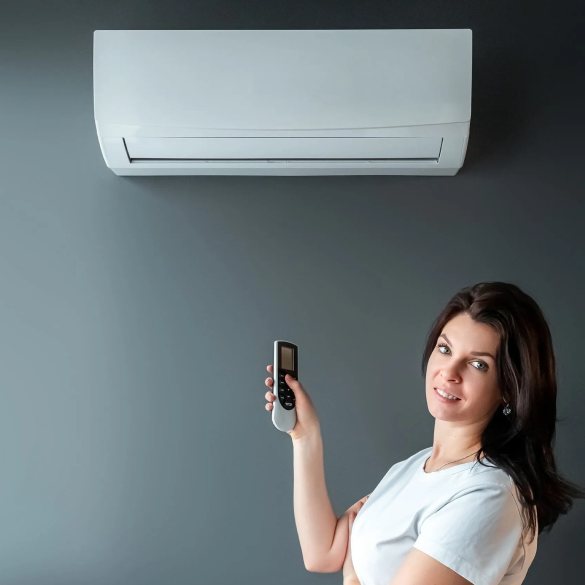
The long and scorching summers of the Turkish Republic of Northern Cyprus (TRNC) mark the period when our air conditioners work at their absolute peak. It's a common scenario we encounter: your AC, which cooled perfectly at the beginning of summer, suddenly starts feeling inadequate during the hottest days of July and August. This frustrating situation doesn't just compromise your comfort; it can also significantly inflate your electricity bills. So, what could be causing this noticeable drop in performance? Generally, two main reasons come to the forefront: either your air conditioner's capacity (BTU) is insufficient for your room's current demands, or minor, cumulative issues have developed that could be resolved with simple, preventative checks. Understanding these factors is crucial for maintaining optimal cooling efficiency throughout the demanding summer months in Cyprus.
At Karso Klima, with our expert team based in Girne, we frequently encounter such problems while providing comprehensive HVAC solutions across the TRNC. In this detailed guide, we will thoroughly explore the causes of mid-summer AC performance decline, with particular emphasis on the importance of an accurate BTU calculation and quick preventative checks you can perform at home. Our primary goal is to ensure you achieve the highest possible efficiency from your air conditioner, thereby preventing unnecessary energy consumption and ensuring uninterrupted comfort. Remember, having the right information and taking timely action protects both your comfort and your wallet, especially during the intense heatwaves characteristic of Cypriot summers.
Why Isn't Your AC Enough in Mid-Summer? The Unique Conditions of TRNC
There can be numerous reasons why your air conditioner feels inadequate in mid-summer, but the unique climatic conditions of the TRNC exacerbate this situation significantly. The island's prolonged high temperatures, high humidity levels, and particularly the salty air in coastal regions like Girne, place an immense strain on AC systems. An air conditioner that initially seemed perfectly sufficient can begin to struggle immensely when outdoor temperatures soar past 40°C during the peak summer months, especially when combined with additional heat sources indoors. This combination of extreme external heat and internal thermal load pushes many systems beyond their comfort zone.
While this feeling of inadequacy often leads people to suspect a system malfunction, more often than not, the problem stems from a more fundamental cause: insufficient BTU (British Thermal Unit) capacity or simple maintenance deficiencies that accumulate over time. Furthermore, environmental factors such as building insulation quality, the duration of direct sunlight exposure, and window sizes directly impact your AC's performance. For instance, outdoor units not designed with corrosion resistance in mind can gradually lose efficiency over time due to the salty air prevalent in coastal areas of the TRNC. This is precisely where Karso Klima's offered professional service and survey services become critically important for accurately analyzing your current situation and recommending the best course of action.
What is BTU and Why Does it Become More Critical in Mid-Summer?
BTU, or British Thermal Unit, is a measure of an air conditioner's cooling capacity, indicating how much heat it can remove from a space within one hour. Simply put, the larger your room or the more heat sources it contains, the higher the BTU capacity your air conditioner needs to be. So, why might a BTU calculation that initially seemed correct fall short during the intense mid-summer period? There are several fundamental reasons that contribute to this common problem:
- Intensification of Weather Conditions: While outdoor temperatures might hover around 30°C at the start of summer, they can easily climb to 40°C and even higher during July and August in the TRNC. As the AC's outdoor unit attempts to cool this significantly hotter air, it expends much more energy and rapidly reaches the limits of its designed capacity, leading to perceived inefficiency.
- Additional Heat Loads: During mid-summer, increased time spent at home, the operation of more electrical appliances (TVs, computers, ovens), and a higher density of occupants or guests all contribute to an elevated internal heat load. These additional loads can push the air conditioner beyond its originally calculated capacity, making it struggle to maintain the desired temperature.
- Initial Incorrect Calculation: Sometimes, the initial BTU calculation performed during installation might have been based solely on room size, without adequately considering potential heat loads or the specific, demanding climate conditions of the TRNC. This oversight sets the stage for the air conditioner to perform inadequately during the most critical periods.
- Impact of Installation Quality: Failure to adhere to proper split installation standards, such as insufficient vacuuming, the use of substandard piping, or incorrect refrigerant charging, can prevent the air conditioner from reaching its nominal capacity. This effectively leads to a BTU loss, meaning the unit performs below its advertised cooling power.
For these reasons, understanding why your air conditioner isn't cooling sufficiently in mid-summer necessitates a critical re-evaluation of both your current BTU capacity and the surrounding environmental factors. A comprehensive assessment helps pinpoint whether the issue is systemic or related to external influences unique to the TRNC's climate.
Correct BTU Calculation for TRNC: A Simple Guide and Common Mistakes
While determining if your air conditioner's capacity is truly suitable for current conditions typically requires a detailed engineering assessment, there is a simple BTU calculation approach that can provide homeowners with a good preliminary estimate. However, it's crucial to remember that this is merely an initial evaluation. For the most accurate and reliable results, we strongly recommend obtaining a free survey service from Karso Klima, where our experts can conduct a precise assessment tailored to your specific property.
General BTU Calculation Formula (Simple Approach)
Fundamentally, you can arrive at an approximate BTU value by multiplying your room's square footage by a specific coefficient. Given the hot climate of the TRNC, it is highly advisable to use a higher coefficient to ensure adequate cooling capacity, accounting for the intense heat and humidity. This provides a more robust estimate than standard calculations might offer in milder climates.
- Step 1: Calculate the Room Area. Determine the area of your room in square meters (m²) by multiplying its width by its length (e.g., 4m x 5m = 20m²).
- Step 2: Apply the Base Coefficient. In regions with hot climates like the TRNC, a coefficient of around 450-550 BTU/hour per square meter is generally accepted. For a more guaranteed performance and to err on the side of caution against the intense summer heat, you might consider using a coefficient of 600 BTU/hour per square meter.
- Calculation: Room Area (m²) x Coefficient (500-600 BTU/m²) = Basic BTU Requirement.
- Example: For a 20m² room, using a coefficient of 550 BTU/m², the calculation would be (20 x 550) = 11,000 BTU. Therefore, an air conditioner with a capacity of 12,000 BTU could be an ideal starting point to ensure sufficient cooling.
Overlooked TRNC-Specific Details and Common Mistakes in BTU Calculation
Beyond the simple area-based calculation, there are numerous factors that significantly influence your air conditioner's adequacy and are frequently overlooked, especially in a unique climate like the TRNC. These often contribute to a perceived lack of cooling even when the basic BTU requirement seems met.
- Sun Exposure Direction and Duration: Rooms, particularly those facing west or south, are exposed to direct sunlight for a significant portion of the day, creating substantial additional heat load. For such rooms, an increase of 10-15% in BTU capacity may be necessary to compensate for this solar gain.
- Window and Door Size/Type: Large, uninsulated windows or doors that do not seal properly can lead to considerable heat gain or loss. While double-glazed windows enhance thermal performance, single-glazed windows significantly increase the required BTU capacity to maintain cool temperatures.
- Insulation Condition: Buildings with inadequate ceiling, wall, and floor insulation allow heat to penetrate much more easily. This factor can be particularly critical for older structures prevalent throughout the TRNC, which often lack modern insulation standards.
- Number of Occupants and Electrical Appliances in the Room: Each person generates approximately 600 BTU/hour of heat. Areas with a high concentration of electrical appliances, such as kitchens, or living rooms with many occupants, will require an extra BTU allowance to counteract the generated heat.
- Salty Air and Outdoor Unit Performance: The salty and humid air along the TRNC's coastline can cause corrosion in lower-quality outdoor units, gradually reducing their efficiency over time. This degradation can create the impression that the BTU capacity is insufficient. Brands like Rota air conditioners, equipped with special coatings and designed for coastal climates, effectively minimize this issue, ensuring sustained performance.
- Ceiling Height: For every 30cm (approximately one foot) above standard ceiling heights (typically 2.5-2.7m or 8-9 feet), an additional 10% BTU capacity is required to cool the increased volume of air effectively.
A re-evaluation of your BTU requirements, taking these detailed factors into account, can significantly help you understand why your air conditioner might be struggling during mid-summer. If you suspect your current AC's capacity is indeed inadequate, we encourage you to explore solutions available within Karso Klima's extensive product portfolio, particularly Rota air conditioner models which are specifically designed and well-suited for the challenging climate of the TRNC.
Quick Preventative Checks for Mid-Summer AC Performance (User-Performable)
Insufficient BTU capacity might not be the sole reason for your air conditioner's performance decline. Sometimes, you can resolve the issue, or at least make a preliminary diagnosis before calling professional service, by performing a few simple checks that are easy to do at home. These quick inspections can often identify and rectify minor problems that significantly impact cooling efficiency.
Indoor Unit Checks:
- Filter Cleaning: Dirty air filters are one of the most common culprits for reduced AC performance. They severely restrict airflow, forcing your unit to work harder and dramatically decreasing its efficiency, leading to inadequate cooling. Cleaning the filters once a month – by removing and washing them with lukewarm water or vacuuming them – will significantly improve performance and air quality.
- Airflow Obstructions: Check for any objects, such as furniture, curtains, or decorations, that might be blocking the air intake or output vents of your indoor unit. Obstructed airflow prevents the cool air from circulating properly throughout the room, creating hot spots and reducing overall cooling effectiveness.
- Drainage Hose Inspection: If you notice water leaking from your indoor unit or detect a musty odor, the drainage hose might be clogged. Ensure the hose isn't kinked or blocked by debris, allowing for proper condensation drainage. A blocked drain can cause water backup and potential damage.
- Remote Control Settings: Double-check that your air conditioner is set to the correct mode (cooling or auto) and the desired temperature, typically between 24-26°C for optimal comfort and energy efficiency in the TRNC. Sometimes, an incorrect mode selection (e.g., fan-only mode) or an inappropriate fan speed setting can be mistaken for a performance drop.
Outdoor Unit Checks:
- Surrounding Obstructions: Verify that the area around your outdoor unit is not blocked by bushes, plants, debris, or any other obstructions. The outdoor unit needs to "breathe" freely for efficient heat exchange, which is vital for its operation. Ensure there is at least 30-50 cm (12-20 inches) of clear space around all sides of the unit.
- Contamination Check: The fins (condenser coils) of the outdoor unit can accumulate dirt, leaves, dust, or salt deposits from the coastal air over time. This contamination acts as an insulator, impeding heat transfer and significantly reducing the air conditioner's efficiency. You may gently clean the fins with a soft brush or a low-pressure water spray, taking care not to bend them.
- Direct Sun Exposure: Prolonged exposure of the outdoor unit to direct sunlight can negatively impact its operational efficiency, especially during the peak TRNC summer. If feasible, adding a simple protective shade above the unit can help improve its performance by keeping it cooler and allowing it to dissipate heat more effectively.
If, after performing these quick checks, the problem persists or if you observe symptoms of a more complex malfunction (such as strange noises, ice buildup on coils, or a complete lack of cooling), then seeking professional assistance is the wisest course of action. At Karso Klima, our expert team, readily available from our Girne central office, is here to support you with all your service and repair needs, ensuring your system is handled with expertise and care.
Rota Air Conditioners: Specialized Solutions for TRNC Climate: Performance and Durability
Selecting a long-lasting and high-performing air conditioner in the demanding climate conditions of the TRNC is critically important for both your comfort and your budget. As an authorized sales and service point for Rota air conditioners, Karso Klima proudly offers a portfolio that stands out for its technical superiority and durability, perfectly adapted to the unique challenges of the island's climate. Rota units are engineered to withstand the extreme heat and humidity, ensuring reliable operation when you need it most.
- Inverter Technology: Rota air conditioners utilize advanced inverter technology to precisely adjust compressor speed according to the ambient temperature and cooling demand. This not only provides consistent temperature comfort but also delivers significant electricity savings compared to traditional on-off models. This feature is a key factor in reducing your electricity bills throughout the long summer season in the TRNC.
- Coastal Climate Durability: For coastal regions like Girne and its surroundings, corrosion is a major adversary for AC outdoor units due to salty and humid air. Rota air conditioners feature specially coated outdoor units that offer exceptional resistance against salt and moisture, extending the system's lifespan and minimizing performance degradation. This superior protection prevents efficiency drops that might otherwise be mistakenly attributed to incorrect BTU calculations.
- High Energy Efficiency: Rota models boasting high energy efficiency classes, such as A+++ and A++, not only contribute to environmental protection but also significantly reduce your operating costs by optimizing energy consumption. When combined with the correct BTU selection, this efficiency difference becomes remarkably noticeable in your utility bills.
- Authorized Sales and Service Assurance: Karso Klima is the authorized dealer and service center for the Rota brand in the TRNC. This guarantees original parts, highly trained technical personnel, and warranty coverage for every step of your journey, from device selection and installation to periodic maintenance and addressing any potential malfunctions. This professional support ensures your air conditioner always operates at peak efficiency, effectively preventing mid-summer performance drops and prolonging its life.
If you suspect your current air conditioner's capacity is insufficient or that your existing system is not adequately suited for the TRNC climate, we invite you to browse our air conditioner catalog or contact Karso Klima directly to receive detailed information about Rota air conditioning solutions. Our specialists are here to assist you in identifying the Rota model best suited to your needs, ensuring you achieve maximum comfort with the correct BTU capacity for your specific space.
Frequently Asked Questions (FAQs)
Why does my air conditioner suddenly feel like it's cooling less in mid-summer?
This phenomenon typically occurs due to the air conditioner's capacity becoming insufficient as outdoor temperatures reach their peak, or from maintenance deficiencies such as dirty filters or obstructed airflow around the outdoor unit. An increase in the number of occupants or the density of electrical appliances in your room also contributes to additional heat load, making the AC work harder to maintain comfort.
What is the most common mistake when calculating BTU?
The most common mistake in BTU calculation is focusing solely on the room's square footage while ignoring crucial additional heat loads. These include factors like the direction of sun exposure, window size and type, insulation quality, ceiling height, the number of occupants in the room, and the heat emitted by electrical appliances. Furthermore, the unique climate conditions of the TRNC—characterized by high temperatures and significant humidity—necessitate the use of higher coefficients in these calculations to ensure adequate cooling capacity.
How often should I clean my AC filters, and how does this affect performance?
It is highly recommended to clean your air conditioner filters once a month, or even more frequently during periods of heavy use. Dirty filters severely restrict airflow, which can reduce your AC's efficiency by up to 15%. This significant drop in efficiency results in the air conditioner cooling less effectively, consuming more energy, and ultimately leading to higher electricity bills. Regular cleaning ensures optimal performance and air quality.
Is there a special advantage to using Rota air conditioners in TRNC?
Yes, Rota air conditioners offer a long-lasting, economical, and reliable air conditioning solution, especially in the TRNC's coastal climate. This is primarily due to their specially designed corrosion-resistant outdoor units and high-energy-efficiency inverter technology. At Karso Klima, as an authorized sales and service provider, we bring these distinct advantages of the Rota brand directly to you, ensuring tailor-made comfort and peace of mind.
Conclusion
While it can be frustrating when your air conditioner feels inadequate in mid-summer during the TRNC's challenging hot conditions, more often than not, this situation can be resolved through simple preventative checks or by understanding the importance of correct BTU capacity. Remember, the underlying reason for your AC's performance drop frequently stems from an improperly calculated BTU requirement, overlooked basic maintenance, or the selection of a system that is not ideally suited for the specific climate of the TRNC. Identifying these root causes is the first step towards restoring your comfort.
By implementing the quick preventative checks shared in this guide and reviewing the BTU calculation principles, you can significantly enhance the efficiency and performance of your air conditioner. However, for more complex issues or if you require a new system, trusting Karso Klima's expertise is always the most reliable course of action. You can reach us at our contact office located at Girne Atatürk Cad. No:8, to inquire about the latest models from industry-leading brands like Rota and Sakura, request a free survey for your existing system, or benefit from our comprehensive professional service offerings. Karso Klima is committed to being your partner for a comfortable and efficient summer in the TRNC!